
Why Monsoon Is the Only Season Worth Visiting Wayanad — And Why Most Tourists Get It Wrong
Every travel website says the same thing: ‘Best time to visit Wayanad: October to May. Avoid the monsoon.’
It’s the most repeated and most confidently wrong piece of travel advice written about this part of Kerala.
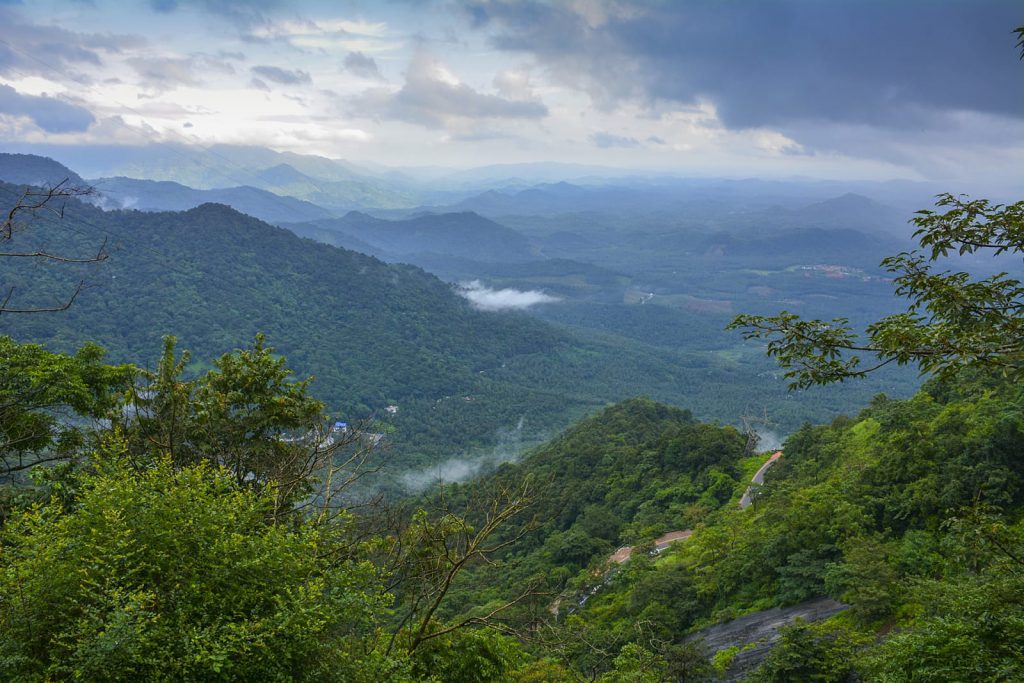
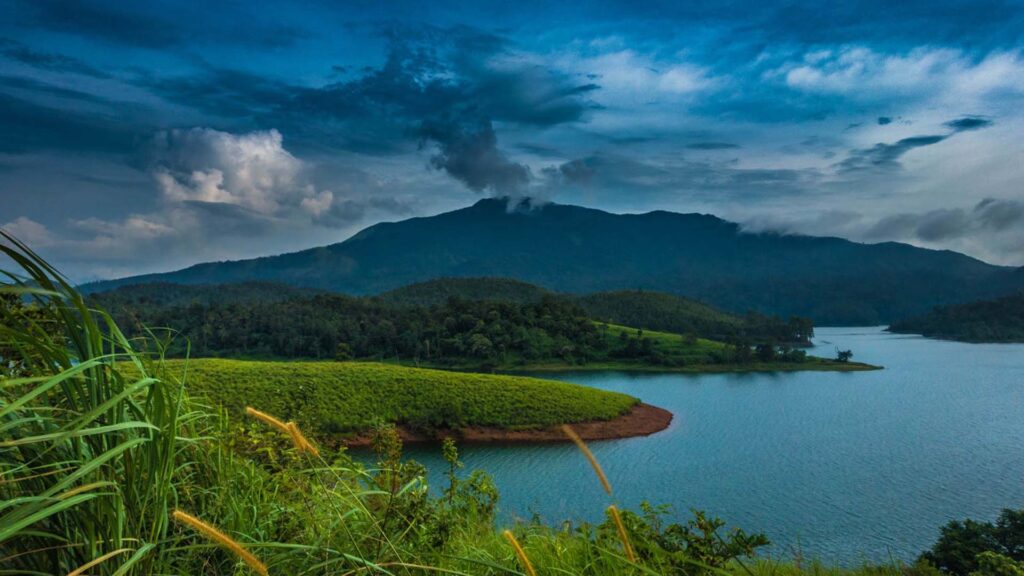
The people who wrote it, almost certainly, have never spent a monsoon morning in a rainforest at 1,300 metres above sea level, watching mist move through a valley like something with its own intent. If they had, they wouldn’t be telling you to come in December.
This isn’t a contrarian take for its own sake. It’s a correction — from the land itself.
What the Forest Is Actually Doing in Monsoon
Wayanad is not a hill station that happens to receive rainfall. It is a tropical rainforest ecosystem — one of the last intact sections of the southern Western Ghats, classified as a UNESCO World Heritage biodiversity hotspot. The entire ecology of the place is built around rain.
When you visit in October, you’re seeing the aftermath of all this. Beautiful, certainly. But the forest in October is like a concert hall after the performance — cleaned up, orderly, pleasant.
Visiting during the monsoon is the performance itself.
Soochipara Waterfalls — a gentle cascade in February — becomes a thundering curtain of white water by July. Chembra Peak disappears into cloud so completely that standing at its base feels like standing at the edge of something unresolved. The spice plantations — cardamom, pepper, coffee — are at their most aromatic, heavy with moisture and growth.
The Specific Things That Only Happen in the Rain
The rivers become what they are meant to be. Wayanad’s river network — fed by the Kabani and its tributaries — runs at full volume from June through September. Swimming holes that are ankle-deep in April become deep, cold, green pools ringed by waterfalls.
The birds shift. The monsoon brings migratory species into the lower canopy, including species documented in the Western Ghats Endemic Bird Area. Birding from a covered veranda at dawn during the rains is its own category of stillness.
The mist becomes structural. In winter and summer, mist is an occasional aesthetic detail. In monsoon, it fills valleys, moves through trees, arrives and departs on its own schedule. July mornings here feel like being inside a living thing.
The spice gardens are at peak fragrance. The olfactory experience of walking through a plantation during monsoon — wet earth, cardamom flower, coffee blossom, rain on warm stone — is unlike anything manufactured.
Why Most Tourists Get This Wrong
The ‘avoid monsoon’ advice exists for legitimate reasons — landslide risk on mountain roads, leeches on forest trails, some waterfalls becoming unsafe at full volume. These are real and worth knowing.
But the conclusion drawn — don’t go at all — confuses reasonable caution with blanket avoidance.
What the advice really means is: come differently. Don’t plan five consecutive trekking days. Don’t bring the itinerary you’d use in October.
Come instead for:
- Long mornings in a room where rain is the background condition
- One forest walk per day, with a guide who knows when to turn back
- Evenings on a covered veranda with tea and the sound of the forest drinking
- Sleep so deep you’ll remember it months later
This is also why monsoon is the single best window for a genuine digital detox in Wayanad.
A Word on the Rest of the Calendar
January is Wayanad’s most crystalline month — cold mornings, clear nights, full rivers from the retreating northeast monsoon. March is the transition month — warming up, with lush vegetation still in place. October through December is when Wayanad is most accessible, most crowded, and least itself.
Practical Notes for a Monsoon Visit
When to go: Mid-June through mid-July for most dramatic conditions. September for lighter rains and full rivers — the ‘sweet monsoon.’
What to bring: Quick-dry clothes, waterproof trail shoes, light rain jacket, leech socks for forest walks.
Road access: NH966 Kozhikode–Kalpetta is reliable year-round. Ooty-side ghat roads can close in peak monsoon — check conditions before travel.
What to skip: Night safaris in heavy rain. Forced activity on rain-heavy days.
Frequently Asked Questions
Is Wayanad good to visit during the monsoon?
Yes — for travellers who want nature immersion and solitude. Wayanad’s Western Ghats rainforest is ecologically designed around monsoon rainfall. Waterfalls run at full volume, the canopy is dense, and tourist crowds drop significantly.
What is the best month to visit Wayanad?
For nature immersion and solitude: July or September. For comfortable weather and accessibility: January or March. For peak season with the most open attractions: November through February.
Is Wayanad safe to visit in the monsoon?
Yes, with reasonable planning. The NH966 Kozhikode–Kalpetta highway is reliable year-round. Avoid Ooty-side ghat roads during peak rainfall. With standard precautions, a monsoon visit is safe and deeply rewarding.
Are there leeches in Wayanad during the monsoon?
Yes, on forest trails — common across all Western Ghats destinations in the rainy season. Leech socks are effective and available locally. Most prepared travellers find it a minor inconvenience rather than a deterrent.
What is the difference between visiting Wayanad in monsoon versus winter?
Monsoon offers the forest at full performance — dense, fragrant, alive, with full rivers and minimal tourists. Winter offers clear skies, wide trail access, and predictable weather but significantly more visitors. The two are genuinely different experiences.






Related Blogs
Coming with a lot of surprises for everyone with her evergreen beauty, Wayanad is a story that urges you to Read more
10 Reasons Why Should Wayanad Be Your Weekend GetawaySnuggled high in the arms of the Western Ghats, Wayanad is any Read more

Things to Do in Wayanad in Two DaysWelcome to the wild and wondrous Wayanad located in the heart of Kerala. Read more

5 Must-Try Food from KeralaIn the heart of Kerala, God’s Own Country, lies the wonderful Wayanad thrumming with wildlife, beauty, Read more