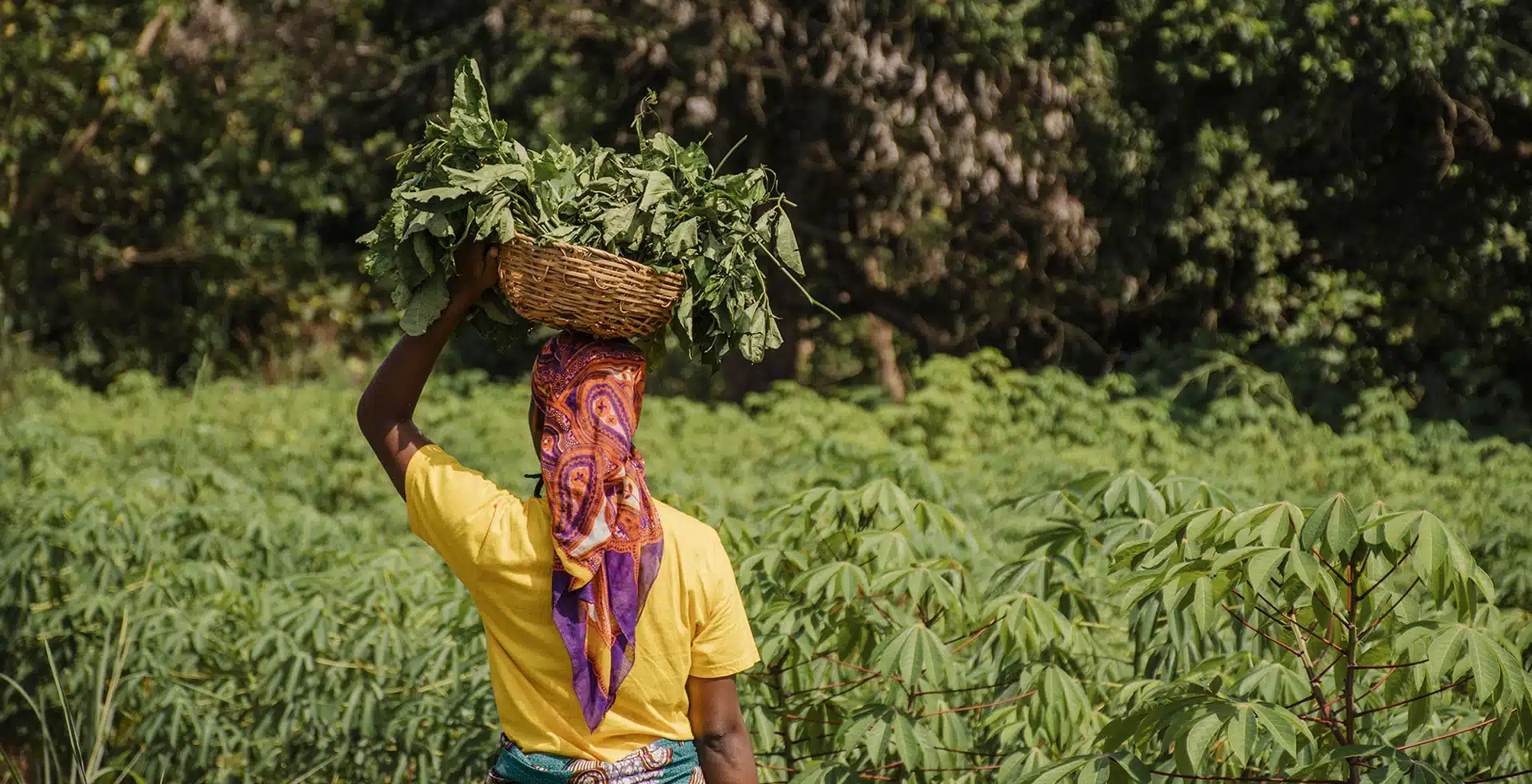

The Adivasi Communities of Wayanad: What They Quietly Teach About Living Without Urgency
Before Wayanad was a destination, it was home.
Long before the first resort was built into its hillside, before the tea and coffee estates arrived with the colonial economy of the 19th century, before the ghat roads cut through the forest — the indigenous communities of this region had already developed a complete relationship with the land. One measured not in seasons or travel trends, but in generations.
There are roughly 17 tribal communities documented across Wayanad district — including the Paniya, Kurichiya, Kuruma, Adiya, and Kattunayaka peoples. Together, they account for approximately 18% of Wayanad’s total population — the highest Adivasi density of any district in Kerala.
This is not a guide to tribal tourism. It’s closer to an observation — of what a different relationship with time, land, and attention looks like when you are still enough to notice it.
A Different Way of Moving Through the Forest
The Kattunayaka people — whose name translates roughly as ‘kings of the forest’ — have lived as forest-dwelling communities in the deep interior of Wayanad for millennia. Their knowledge of forest ecology is not acquired through study. It is embodied: passed through observation, practice, and the specific quality of attention that comes from moving through dense undergrowth without disturbing it.
Watching a Kattunayaka elder walk a forest path is a lesson in something most visitors didn’t know they were missing. There is no urgency. There is no destination overriding the journey. Each step carries the quality of being the only step — an orientation to the present moment that most of us attempt to cultivate through apps and structured programmes, with limited success.
The Kurichiya people, traditionally settled agriculturalists in the higher elevations, built an entire planting calendar around the forest’s own rhythms. Decisions about cultivation followed animal behaviour, bird migration, and the particular way certain trees flowered before rain. Not because they lacked technology. Because they had developed something more sophisticated: a listening relationship with their environment.
What the Land Remembers
Wayanad’s forest is not just biologically rich. It is culturally inscribed.
The Edakkal Caves — natural caves in the Ambukuthi hills near Sultan Bathery — hold petroglyphs dated to the Mesolithic and Neolithic periods, among the oldest inscriptions of human presence found anywhere in the Indian subcontinent. These marks were made by the ancestors of communities who still live in this landscape.
The spice cultivation Wayanad is known for — cardamom, pepper, wild turmeric, coffee — was not invented by the colonial plantation system. It was refined over centuries by Adivasi communities who understood this forest’s chemistry long before it became an export commodity.
This history matters not as a footnote but because it changes how you perceive what you’re walking through. The forest is not wild in the sense of being untouched. It is attended — shaped, across millennia, by people who understood that their own survival depended on its health.
On Urgency, and Its Absence
Contemporary wellness culture has recently discovered what it calls ‘slow living’ — intentional deceleration, single-tasking, reduced consumption, presence over productivity. Books are written about it. Retreats are built around it. Apps claim to facilitate it.
The Adivasi communities of Wayanad have not discovered slow living. They have simply not abandoned it.
Sitting near the forest edge on a morning in Wayanad, watching a Kuruma elder sort wild herbs with the unhurried precision of someone who has done it ten thousand times, you understand with unusual clarity that urgency is not a human condition. It is a cultural habit.
And habits, unlike conditions, can be interrupted.
How to Approach This Respectfully as a Visitor
Wayanad’s Adivasi communities are not a tourism product. Any offering framed as an ‘authentic tribal village experience’ should be approached with care — most have been designed for the travel industry rather than the communities themselves.
Genuine engagement looks quieter:
- Learn the history before you arrive — the Wayanad Heritage Museum in Ambalavayal is worth two hours of any itinerary
- Buy from Adivasi-run cooperatives directly — forest honey, bamboo craft, wild-harvested spices
- Choose where you stay with some awareness — properties that employ local community members and source food locally are not identical to those that simply claim to
What You Might Carry Home
A trip to Wayanad, if you are paying attention, offers more than landscape. It offers a live example of the fact that a different relationship with time is possible — that it has been practised here, continuously, for longer than most nations have existed.
You will not learn slow living from a few days in these hills. But you might, in witnessing it, feel the outline of something you had forgotten was available to you.
That, in itself, is worth the drive up the ghats.
Frequently Asked Questions
Which Adivasi communities live in Wayanad?
Wayanad is home to approximately 17 indigenous tribal communities including the Paniya, Kurichiya, Kuruma, Adiya, and Kattunayaka peoples. Together they represent about 18% of Wayanad’s total population — the highest tribal density of any district in Kerala.
What is the Wayanad Heritage Museum and is it worth visiting?
The Wayanad Heritage Museum in Ambalavayal is one of Kerala’s most thoughtfully curated collections of tribal artefacts and indigenous cultural history. It covers Adivasi communities, the Edakkal cave petroglyphs, and the pre-colonial agricultural landscape. Worth two hours of any itinerary.
What are the Edakkal Caves in Wayanad?
The Edakkal Caves near Sultan Bathery contain petroglyphs dated to the Mesolithic and Neolithic periods — among the oldest inscriptions of human presence in the Indian subcontinent, maintained by the Archaeological Survey of India.
Can tourists visit Adivasi villages in Wayanad?
With care. Meaningful engagement involves visiting the Wayanad Heritage Museum, buying from Adivasi-run cooperatives, and choosing accommodation that employs locally. Most marketed tribal village experiences are designed for tourism rather than the communities themselves.
How did Adivasi communities influence Wayanad’s spice cultivation?
Adivasi communities cultivated and maintained Wayanad’s spice ecology — cardamom, pepper, wild turmeric, coffee — for generations before colonial plantation systems arrived. Indigenous knowledge of forest plant chemistry formed the foundation the estate economy later scaled into export.






Related Blogs
Coming with a lot of surprises for everyone with her evergreen beauty, Wayanad is a story that urges you to Read more
10 Reasons Why Should Wayanad Be Your Weekend GetawaySnuggled high in the arms of the Western Ghats, Wayanad is any Read more

Things to Do in Wayanad in Two DaysWelcome to the wild and wondrous Wayanad located in the heart of Kerala. Read more

5 Must-Try Food from KeralaIn the heart of Kerala, God’s Own Country, lies the wonderful Wayanad thrumming with wildlife, beauty, Read more